
Job Posting: President

Title: President

Position Structure: Full Time

Salary Range: $115,000–$130,000, commensurate with experience and qualifications

Benefits: medical insurance, paid time off, and a retirement plan with up to a 3% employer match

Reports To: Board of Directors

Location: Wyoming, office location to be approved by the Board of Directors

Anticipated Start Date: To be determined

Job Summary:

The President serves as the chief executive and visionary leader of The WYldlife Fund (The Fund), providing strategic direction, organizational leadership, and external representation to advance Wyoming’s wildlife conservation priorities. Working closely with the Board of Directors, the Wyoming Game and Fish Department, donors, and key partners, the President is responsible for executing the Fund’s mission, growing its impact, and ensuring long-term organizational sustainability.

This role blends high-level strategic leadership with hands-on management, fundraising, and relationship-building. The President is the Fund’s primary ambassador and fundraiser, responsible for cultivating philanthropic support, strengthening partnerships, and ensuring all programs, investments, and operations align with the Board-approved Strategic Plan.

Key Responsibilities:

Strategic Leadership & Governance

  • Serve as chief executive officer of The WYldlife Fund, accountable to the Board of Directors
  • Lead development, execution, and evaluation of the Fund’s Strategic Plan
  • Provide clear, timely communication to the Board regarding organizational performance, financial health, and strategic priorities
  • Lead the preparation and facilitation of Board meeting materials to ensure effective governance and strategic decision-making
  • Partner with the Board to identify emerging conservation opportunities and long-term funding strategies

Fundraising & Donor Engagement

  • Lead and execute comprehensive fundraising strategies, including major gifts, grants, campaigns, and planned giving
  • Cultivate and steward relationships with major donors, foundations, corporate partners, and public entities
  • Demonstrate measurable conservation and organizational return on investment for philanthropic contributions
  • Serve as the primary spokesperson and relationship manager for high-level funders and stakeholders
  • Design and participate in high-impact donor engagement opportunities and events

Programmatic & Conservation Impact

  • Collaborate closely with the Wyoming Game and Fish Department to align funding investments with priority conservation outcomes
  • Guide strategic grantmaking initiatives, including evaluation, approval, and impact assessment
  • Ensure all funded programs align with donor intent, strategic priorities, and measurable conservation outcomes
  • Oversee partnerships, coalitions, and collaborative initiatives that elevate the Fund’s reach and effectiveness

Organizational & Financial Management

  • Provide leadership and oversight of organizational operations, staffing, and culture
  • Oversee financial management in collaboration with the Vice President, CPA, and Board committees
  • Ensure accurate preparation of budgets, financial reports, and timely filing of the annual Form 990
  • Maintain strong internal controls, compliance, and fiscal accountability
  • Support oversight of affiliated programs, including the Western Conservation Leadership Development Program, in coordination with relevant committees

Communications & External Relations

  • Serve as the public face of The Fund in meetings, media engagements, coalitions, and public forums
  • Ensure consistent, mission-driven messaging across all communications platforms
  • Oversee production of major communications products, including the Annual Impact Report
  • Strengthen the Fund’s visibility and reputation statewide and nationally

Minimum Qualifications:

  • Proven executive leadership experience in nonprofit management, conservation, philanthropy, or public policy
  • Demonstrated success leading organizational growth, fundraising, and strategic initiatives
  • Strong working knowledge of nonprofit governance, finance, and compliance
  • Exceptional relationship-building, communication, fundraising, and leadership skills
  • Experience working with Boards of Directors and public-sector partners
  • Knowledge of Wyoming’s wildlife, public lands, and conservation landscape strongly preferred
  • Bachelor’s degree in a related field preferred, but not required; advanced degree a plus

About The Fund:

The WYldlife Fund was founded in 2019 by the Wyoming Game and Fish Commission with a vision of working closely with the Wyoming Game and Fish Department and stakeholders to conserve and enhance Wyoming’s wildlife resources. The Fund unites people to advance Wyoming wildlife habitat, research, and education.

We are seeking a dynamic, mission-driven leader with a deep appreciation for Wyoming’s wildlife and landscapes to guide The Fund into its next phase of growth and impact for current and future generations.

To learn more about The WYldlife Fund, visit: thewyldlifefund.org

To Apply:

Please email a letter of interest and resume to:

Chair, Board of Directors
The WYldlife Fund

Mark Wilson
mark@thewyldlifefund.org

Questions may be directed to Mark at 307-620-0759.

Applications will be accepted through 5:00 p.m. Mountain Time on January 30, 2026. 
Breaking Ground: HWY 189 Wildlife Crossing is Underway

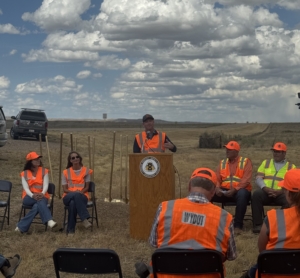
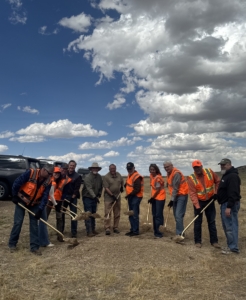
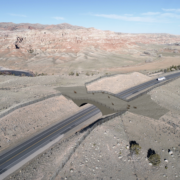
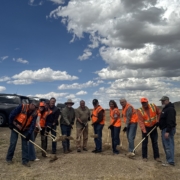
It won’t be long before Wyoming celebrates the completion of its newest major wildlife crossing, south of Kemmerer! This project is being made possible by a $24.3 million grant from the Federal Highway Administration, $4.2 million in WYDOT formula funds, and $8.8 million from 15 different partners and nonprofits, including over $6 million from the Wyoming Wildlife and Natural Resource Trust. The WYldlife Fund is also thrilled to have contributed over $900,000 to this important work, thanks to supporters like you! We are truly grateful to each of those listed below, whose generosity made this private gift possible. The U.S. Highway 189 Kemmerer South Wildlife Crossing Project officially broke ground earlier this month. Completion is expected in October 2027. 

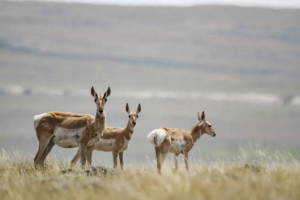
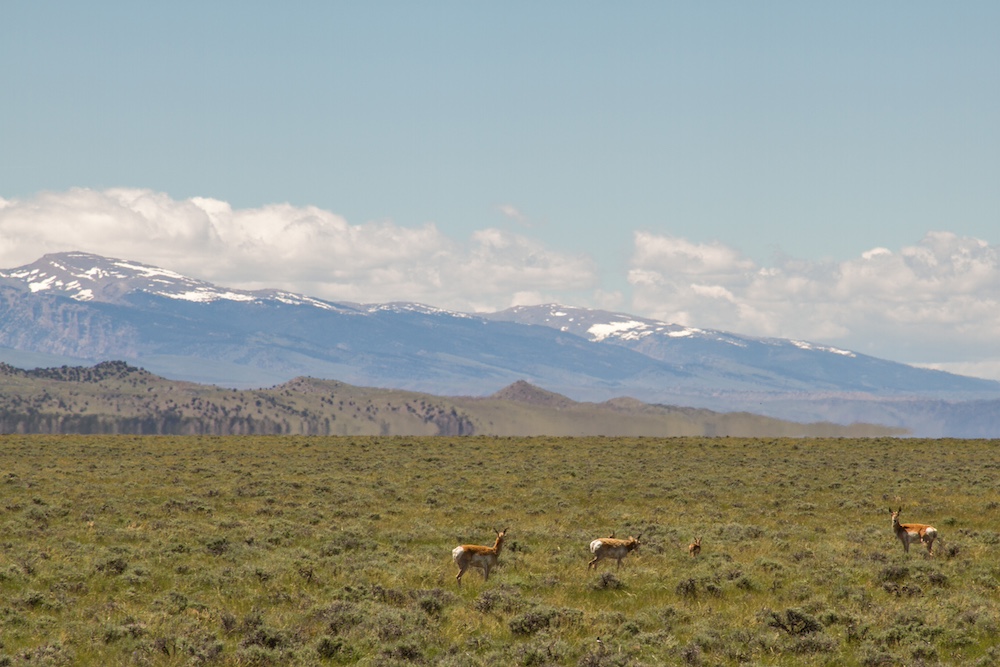
Each year, an average of 80 deer-vehicle collisions are reported annually along 189 – and the actual number is likely much higher when considering unreported incidents. The new crossing, located around mile marker 12.8 south of Kemmerer, is projected to reduce collisions by 80 – 90%. This is a win not only for drivers but also for the Carter Lease pronghorn herd and the Wyoming Range and Uinta deer herds that rely on this corridor.  

South Kemmerer has long been identified as a priority zone by Wyoming Game and Fish, especially given the anticipated development and increased traffic from the planned nuclear power facility in the area. Once complete, the project will include seven underpasses, one overpass, and fencing along a 30 mile stretch of highway, dramatically improving safety for both wildlife and motorists.

While the new crossings themselves deserve a celebration, the collaboration that made them possible warrants equal recognition. The WYldlife Fund is proud to help conserve wildlife, reduce collisions, and connect landscapes across Wyoming, but we’re not the only player in the game. Funding for this project required teamwork by a wide array of stakeholders from many walks of life, and it’s through partnerships like these that we can continue to conserve wildlife, protect livelihoods, and build a brighter future together.

Thank you to every supporter who made this possible! 

First Interstate Bank, Genesis Alkali Wyoming LP, Golf For Wildlife Supporters, Commissioner Mark Jolovich, Knobloch Family Foundation, Mule Deer Foundation, Muley Fanatic Foundation, Muley Fanatic Foundation-Blue Ridge Chapter, NextEra Energy Foundation, Rocky Mountain Power, SOS Well Services, Spire Storage, TC Soda Holdings Inc. (Project West), TerraPower, The WYldlife Fund, Williams, WYldlife For Tomorrow & Wyoming Wildlife Federation

Applications now open for the 2025 Inspire A Kid Camps at the Little Jennie Ranch

This FREE camp offers a unique opportunity to explore the wildlife and cultural heritage of Wyoming while learning about efforts to conserve and protect the state’s natural resources. This camp also provides youth with time for self-reflection and personal growth. They will be challenged to strengthen values like hard work, determination and integrity.

Partnership to Conserve Big Game Habitat in Wyoming

December 31st, 2024

The Pooled Migration Fund and USDA-State of Wyoming Big Game Program in Wyoming

2024_Partnership_to_Conserve_Big Game Habitat

As we close out the year, we’d like to take a moment to reflect on the significant progress made for big game conservation in key migration corridors across Wyoming. This achievement is thanks to the USDA-State of Wyoming’s Big Game Program and the support provided by our Pooled Migration Fund (PMF).

In October 2022, USDA Secretary Tom Vilsack and Wyoming Governor Mark Gordon signed an agreement that uses diverse Farm Bill programs and state expertise and resources to support voluntary conservation of private working lands, Tribal lands, and migratory big game populations in Wyoming.

The program emphasizes a commitment to voluntary, incentive-based approaches; identifies and elevates the critical role of private, working lands; and stresses the importance of supporting state, Tribal, and landowners to advance their conservation priorities.

The William and Flora Hewlett Foundation, BAND Foundation, The Volgenau Foundation, Wilburforce Foundation, Bass Pro Shops and Cabela’s Outdoor Fund, Knobloch Family Foundation, NextEra Energy Foundation, and Dominion Energy have all made significant investments to establish and sustain the PMF. The PMF operates under The WYldlife Fund and aims to support and enhance the Big Game Program initiated by the USDA and the State of Wyoming.

The PMF has invested over $1.5 million to directly support the USDA-State of Wyoming Big Game Program. These investments have strengthened critical capacity-building roles with partner NGOs, facilitating connections between producers, Tribal partners, and conservation funding opportunities. Additionally, these funds have been used to implement impactful on-the-ground conservation projects, including invasive annual grass treatments and wildlife-friendly fence modifications.

The WYldlife Fund is excited to report significant progress through this program, with the PMF playing a key role in its successful implementation. Click the link below to learn more about the advancements made for Wyoming’s wildlife.

2024_Partnership_to_Conserve_Big Game Habitat

DSC of Wyoming Contributes $41,000 to The Pronghorn Fund

Dallas Safari Club of Wyoming Contributes $41,000 to The Pronghorn Fund

Hunting and Conservation Group Augments The WYldLife Fund’s Latest Initiative

Casper, Wyoming, November 2024 — DSC of Wyoming, a 501(c)3 Wyoming nonprofit and chapter of the Dallas Safari Club, has added over forty thousand dollars to The Pronghorn Fund, a growing endowment inspired by the extraordinary contributions of Rich and Mary Guenzel.

“DSC of Wyoming board members Patrick Ginder and Jamie Moralez immediately understood the purpose and importance of The Pronghorn Fund,” says President Geoffrey Smith. “Our entire board agreed that the new endowment was a leap forward in further understanding, conservation, and support of this western icon.” “Moreover,” states Smith, “parent foundation The WYldLife Fund has wisely constructed The Pronghorn Fund as a restricted endowment. This means its resources will be focused on the Pronghorn, and administered to be a persistent asset for the species.”

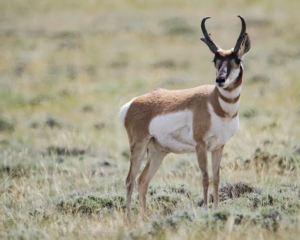
The WYldLife Fund President Chris McBarnes comments, “The Pronghorn is a Wyoming crown jewel. We are sothankful for the trailblazers who have established and support The Pronghorn Fund.” Smith adds, “How often have we heard ‘just out for an antelope’? Turns out, the pronghorn isn’t actually an antelope, nor is it ‘just a’. I’ll save the surprise, but the reader will be a bit aghast when exploring the phrase ‘Pronghorn taxonomy’ through any Internet search.”

DSC of Wyoming is a 501(c)3 nonprofit affiliate and state chapter of Dallas Safari Club. The Mission of DSC of Wyoming is to advocate for hunting and fishing rights in the state of Wyoming, to support and encourage the engagement and education of youth, sportsmen and sportswomen, and to foster the conservation of our outdoor heritage for future generations.

To learn more about The Pronghorn Fund and how you can help support this iconic species in Wyoming, click here!


Wyoming summer camp tackles “brain drain” with nature


At the base of the Gros Ventre Mountains in western Wyoming, 17 boys recently spent a week immersed in nature, honing their outdoor skills and building leadership abilities. Part of the Inspire a Kid initiative, this free summer camp is designed for youth who might not otherwise have access to Wyoming’s wild spaces. Over the course of a week, campers engage in fly fishing, horseback riding, and even hauling hay bales—all while learning the importance of conservation.

For kids like 13-year-old Colten Christianson and 12-year-old Zach Cortez, the camp provides a thrilling blend of adventure and outdoor learning. Whether taking a dip in the icy sluice box to wake up or bonding over early-morning hot chocolate, their days are filled with teamwork and exploration. “It’s way better than coffee,” Cortez quips after an invigorating sluice shower.

But it’s not all fun and games. As the campers move hay bales or gather around the campfire, they also gain a deeper appreciation for Wyoming’s public lands, which cover more than half of the state. Many, like 15-year-old William Johnston from Newark, New Jersey, leave the camp with a newfound love for the outdoors—and some even consider future careers in conservation.

Chris McBarnes, who leads the camp, hopes this experience helps keep Wyoming’s youth connected to the state. With its stunning landscapes and abundant wildlife, Wyoming needs the next generation of leaders to safeguard its natural beauty and tackle ongoing conservation challenges.

To listen to the full story or read a transcript of the story, please click here.

The Greater Yellowstone Coalition and the WYldlife Fund Partner to Raise $2.7 Million for Wyoming’s Highway 26 Wildlife Crossing Project

The Greater Yellowstone Coalition and the WYldlife Fund have teamed up to raise $2.7 million in donations to contribute to the non-federal, match requirement for the state’s application requesting more than $17 million in federal Wildlife Crossing Pilot Program dollars to keep people safe and wildlife alive along U.S. Highway 26 in Wyoming. This substantial fundraising effort will strengthen the state’s application as it competes for these highly competitive federal grant funds.
U.S. Highway 26 from Stoney Point to the Wind River Indian Reservation is the state of Wyoming’s top priority for wildlife crossings, with the wildlife crossing project location accounting for nearly three in four wildlife-vehicle collisions.
“Thousands of mule deer migrate between summer range near Grand Teton National Park and winter range at the Wind River Reservation each year. This project will make the highway safer for both wildlife and people, while allowing animals to reach their summer and winter ranges,” said Greater Yellowstone Coalition Executive Director Scott Christensen. “The support for this wildlife highway crossing project has been tremendous. I am thrilled at the way Greater Yellowstone Coalition’s supporters and partners stepped up to help fund an effort that will benefit wildlife and communities for years to come.”
The project partners for this new wildlife highway crossing infrastructure project are the Wyoming Department of Transportation, Wyoming Game and Fish Department, Wind River Tribes (Eastern Shoshone and Northern Arapaho), WYldlife Fund, Greater Yellowstone Coalition, and Wyoming Wildlife and Natural Resource Trust. The project is contingent upon a successful application to the U.S. Department of Transportation.
If awarded, the project will entail designing and building one wildlife overpass and four wildlife underpasses, enhancing five existing structures to improve wildlife movement, and installing about 18 miles of big game fencing as well as jump-outs and cattle guards in strategic locations.
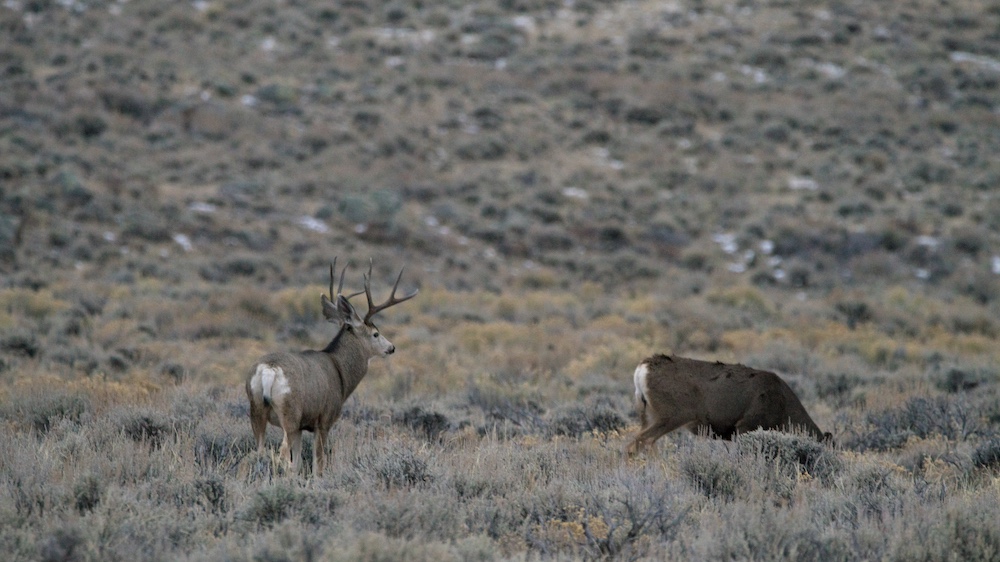
“Wildlife crossings bring together those who are passionate about protecting wildlife,” said WYldlife Fund President Chris McBarnes. “In Wyoming, there are approximately 21 big-game collisions every day, totaling more than 7,656 wildlife vehicle collisions each year. More than 70 percent of these incidents involve mule deer. This pressing issue is why the WYldlife Fund is dedicated to securing crucial funding for the development of the Wind River to Grand Tetons Wildlife Crossing.”
The nonprofit partners had just 90 days to raise the matching funds required to submit a competitive application.
“The money raised for this project through partnerships reflects Wyoming’s passion for conserving our world-class wildlife,” said Angi Bruce, Wyoming Game and Fish Department Director. “This project is an investment that helps to preserve big game movement and save lives.”
“I’m hoping for a successful outcome for this worthy project,” said WYDOT Director Darin Westby. “This project is a win-win for highway safety and safe wildlife movement that will benefit our state and those who travel through it. This is also an exciting opportunity for WYDOT to work with our state and private partners on a project that has a lot of public support, and we are grateful to be a part of it.”
Wyoming has become a national leader in building wildlife crossings that keep people safe and wildlife alive. The state of Wyoming has committed over $5 million for the project should it be awarded the federal Wildlife Crossing Pilot Program dollars, along with the $2.7 raised by GYC and the WYldlife Fund.
In addition to the state of Wyoming, financial supporters of the project include: Anna Moscicki and Michael Kenney, Blue Ridge Chapter of the Muley Fanatic Foundation, Cook Family Giving Fund, Dubois Anglers & Wildlife Group, Dubois Outfitters Association, Ed and Estela Kynoch, Greater Yellowstone Coalition, Knobloch Family Foundation, Mule Deer Foundation, National Bighorn Sheep Center, Steve and Kathy Cooper, Steve Meadows: 49er Inn and Suites, Ten Country Chapter of the Muley Fanatic Foundation, The BAND Foundation, The Donald Slavik Family Foundation, The Nature Conservancy, The WYldlife Fund and Muley Fanatic Foundation’s Golf for Wildlife Outing, Tory and Meredith Taylor, Wilburforce Foundation, Wildlife Barrier Breakers, William Adam Sedlacek, WOW Weekend, WYldlife For Tomorrow, a signature program of The WYldlife Fund, and Wyoming Wildlife Federation.

The Pooled Migration Fund: A Commitment to Wyoming’s Wildlife

The WYldlife Fund, in partnership with the Wyoming Game and Fish Department (WGFD), is dedicated to the conservation of Wyoming’s wildlife and their habitats. Through the Pooled Migration Fund (PMF), this collaborative effort unites various stakeholders to protect and enhance the migratory habitats of Wyoming’s big game species. By leveraging resources from diverse Farm Bill programs and state expertise, the PMF supports voluntary conservation on private and Tribal lands, fostering a network of conservation efforts across Wyoming.

In 2022, a significant agreement was signed by USDA Secretary Tom Vilsack and Wyoming Governor Mark Gordon, highlighting Wyoming’s leadership in big game migration science and conservation. The PMF seeks proposals from a wide array of partners, including NGOs, state agencies, and land trusts, to expand conservation efforts and increase the impact on migratory habitats.

Earlier this year, The WYldlife Fund Board awarded funding to three pivotal projects, each of which addresses unique conservation challenges and opportunities across Wyoming. Here’s a closer look at these projects:

Photo courtesy of the Wyoming Game & Fish Department.

1. Carbon County Weed and Pest

Invasive weeds, particularly cheatgrass, pose a significant threat to native rangelands and wildlife habitats in Carbon County. Cheatgrass outcompetes native plant species, creating dense, monotypic stands that offer little nutritional value to wildlife such as mule deer, pronghorn antelope, bighorn sheep, elk, and sage-grouse.

To address this issue, the Carbon County Weed and Pest (CCWP), in partnership with private, state, and federal entities, has embarked on an extensive project to control and manage cheatgrass proliferation. Through the PMF, The WYldlife Fund awarded $100,000 to this initiative, which aims to protect and restore crucial wildlife habitats across approximately 8,900 acres of land.

The primary treatment method involves aerially applying Indaziflam (Rejuvra) using rotor-wing aircraft at a rate of 5 ounces per acre. Indaziflam has been shown to provide longer-term control of cheatgrass compared to previous treatments like Imazapic (Plateau), which only offers control for about 2-3 years. This treatment is critical in maintaining the health and diversity of native plant communities, thereby supporting higher-quality wildlife habitats.

To accurately map cheatgrass cover, CCWP uses high-resolution satellite imagery from Planet, coupled with ground-truth data. This collaboration enhances monitoring precision, enabling effective management of cheatgrass proliferation.

Reese Irvine, project supervisor, said in a statement, “Carbon County Weed and Pest is excited to partner withThe WYldlife Fund to treat cheatgrass in the Platte Valley. These treatments are taking place in mule deer migration corridors, crucial winter range, and sage-grouse core areas. With the support from The WYldlife Fund, we will be able to treat an additional 1,458 acres of these crucial habitats!”

CCWP and its partners are committed to the long-term success of this project. Continuous monitoring efforts will ensure that if infestations are identified outside previously treated areas, new treatments can be implemented to protect past efforts and further improve habitat conditions. This adaptive management approach ensures that the project can respond dynamically to emerging challenges and opportunities, enhancing its overall impact on the ecosystem.

2. Little Snake River Conservation District

The Little Snake River Conservation District is spearheading a project focused on habitat improvement through juniper removal and shrub treatments. This initiative is part of a long-term effort to enhance the habitat of the Baggs Mule Deer Herd, benefiting mule deer, sage-grouse, and other big game species.

Scheduled for 2024, the project will involve mechanical treatments to remove juniper trees and improve aspen and mixed mountain shrub habitats across 1,200 acres. These treatments will create diverse age classes and species, providing nutritious forage and reducing the risk of catastrophic wildfires. The project also aims to improve habitat quality in crucial winter ranges and stopover sites within designated migration corridors.

“Mule deer numbers are down west wide and after the catastrophic winter kill of 2023 in the Baggs Herd unit, the population hit rock bottom,” said Larry Hicks, Natural Resource Coordinator for the Little Snake River Conservation District. “If we are going to restore this iconic herd back to its 20,000-head strong objective, it’s going to require high quality habitat. It is an all hands on deck approach across all land ownership patterns, including private, state, BLM, and USFS administered lands to restore and enhance crucial habitats and maintain critical migration corridors. The WYldlife Fund has joined a comprehensive landscape scale habitat restoration project and is providing significant funding with other partners to accomplish the goals of restoring this iconic mule deer herd back to its prominence as one of the greatest mule deer herds in the west. Without the support of the WYldlife Fund and the other partners, this effort would not be possible.”

The PMF awarded $75,000 to this initiative, which will continue to monitor and treat areas on a five-year basis.

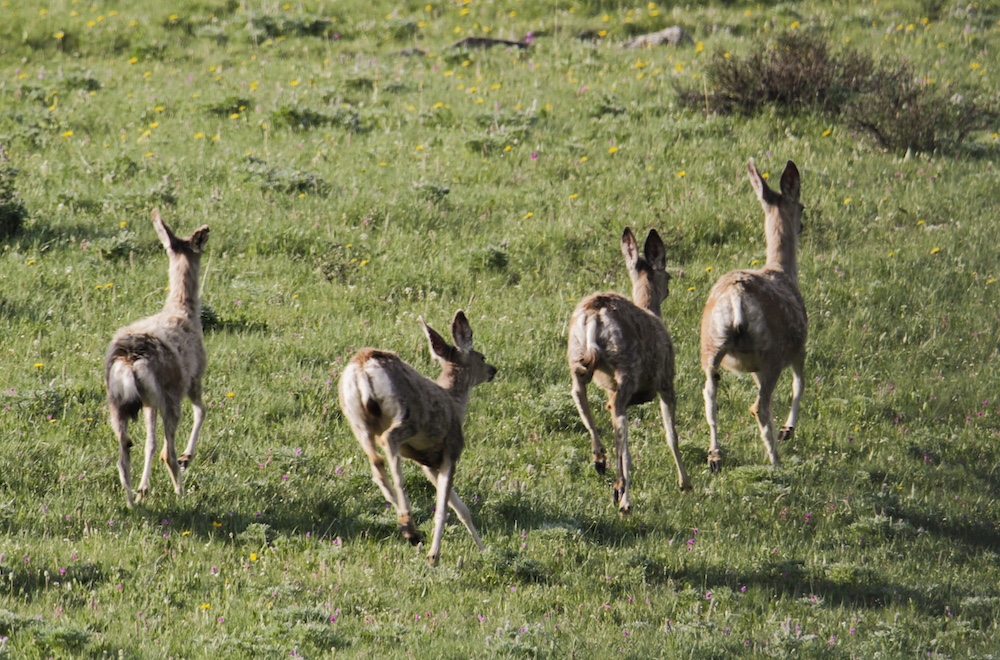
Mule deer in Ten Sleep, June 2017. Photo by Erin Bormett, Wyoming Game & Fish Department.

3. Sublette County Wildlife Friendly Fence Program

Western Wyoming, a stronghold for big game and sage-grouse, faces challenges from landscape fragmentation due to human population growth. One significant barrier to wildlife movement is traditional fencing, which can entangle and injure animals.

To mitigate these risks, the WGFD, in collaboration with local livestock producers, is converting up to 40 miles of fence to wildlife-friendly specifications. These modifications include lowering fence heights, increasing wire spacing, and creating crossing structures that allow safe passage for pronghorn and mule deer. This project, spread over three years (2024-2027), aims to enhance migration corridors and reduce wildlife injuries, contributing to the long-term sustainability of these species.

Of this project, Troy Fiessler, Terrestrial Habitat Biologist with WGFD, said, “While fencing is an essential component of our landscape, it can create severe hazards for wildlife from impeding seasonal migrations to restricting access to key habitats. Located within Sublette County, the Upper Green Fence Initiative strives to provide knowledgeable landowner consultation and more effectively focus implementation of wildlife-friendly fences in areas that provide the greatest benefit to wildlife. With the added support of The WYldlife Fund’s Pooled Migration Funds, our initiative is able to continue mitigating the risks posed by fences through modifications, conversions and removals across dozens of additional miles.”

A total of $75,000 from the PMF was awarded to this project. A well-maintained fence has an expected lifetime of at least 20 years, if not longer. All landowners who participate in this project using PMF funds have agreed to maintain their proposed fences at wildlife-friendly standards for a minimum of 20 years, promising safe passage for wildlife for at least two decades!

Photo courtesy of the Wyoming Game & Fish Department.

The Pooled Migration Fund exemplifies the power of collaboration in wildlife conservation. By addressing critical challenges like invasive species, habitat degradation, and landscape fragmentation, the PMF-funded projects are making a tangible difference in preserving Wyoming’s rich wildlife heritage. Through continued partnership and innovative solutions, these efforts ensure that Wyoming’s big game populations can thrive for generations to come.


The Moose Fund: A Lifeline for Struggling Moose Populations

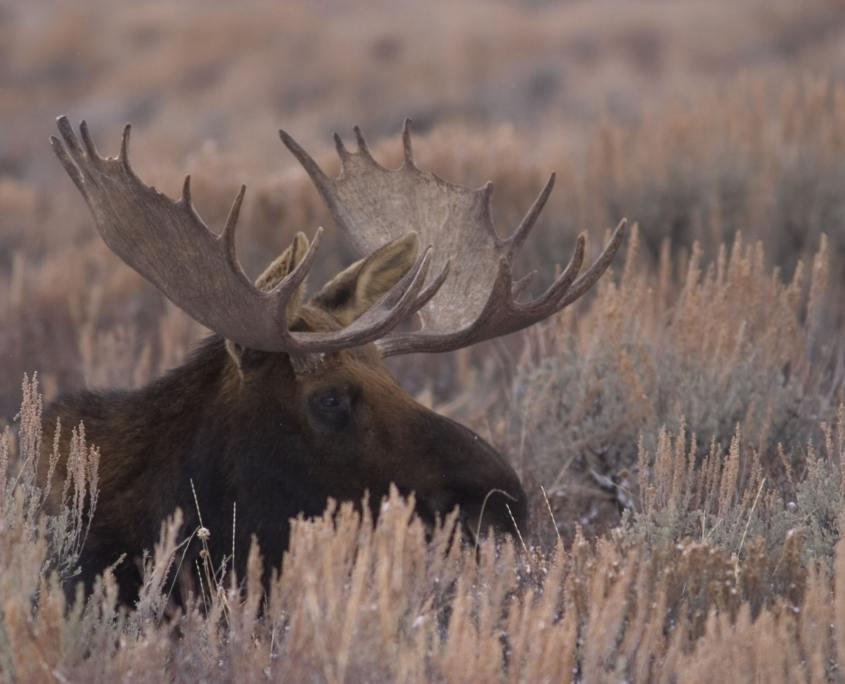
In the vast and rugged landscapes of Wyoming, where wildlife thrives amidst stunning natural beauty, moose populations are struggling. These majestic animals are facing challenges that threaten their existence, from habitat loss to warming temperatures. Fortunately, passionate individuals like Mary Rumsey are stepping up to ensure the survival of these iconic creatures through initiatives like The Moose Fund.

Photo courtesy of the Wyoming Game & Fish Department.

The Origins of The Moose Fund

Mary Rumsey, a resident of Meeteetse, Wyoming since 1997, has long held a deep love for moose. Over the decades she’s lived in Meeteetse, she and her neighbors noticed a steady decline in moose numbers. Mary had grown used to seeing them lounging in her front pasture and was comforted by their presence, so it was noticeable when moose started making fewer and fewer appearances. Recognizing the plight of these animals, in 2022 Mary took action by establishing The Moose Fund, a dedicated initiative within The WYldlife Fund aimed at supporting projects and research focused on moose conservation and habitat restoration.

The Moose’s Struggle

Moose are impressively adapted to their northern habitats, with long legs to navigate marshes and deep snow, and dark hair to keep them warm in frigid winters. However, they face significant challenges in warmer climates. All these winter adaptations work against them in the summer months. Moose begin to overheat in temperatures above 56 degrees Fahrenheit, meaning the steadily warming summers have pushed moose tolerance levels to their limits. Wanting to better understand the effects of warming temperatures on moose, the University of Wyoming began a research project in 2020, which was generously funded by Mary and the Wyoming Game & Fish Commission.

Photo courtesy of the Wyoming Game & Fish Department.

Researchers found that, in trying to stay cool, moose choose water more often than shade. This hefty mammal needs to lay on wet ground or in standing water in order to release potentially life-threatening heat. In the face of a warming, drying climate, this is difficult news.

However, not all hope is lost. The results of this study have created a new goal: to sustain moose populations through the maintenance and improvement of riparian areas such as creek bottoms and wetlands.

The Role of Beavers

Enter: beavers. Interestingly, the fate of moose is intertwined with these large rodents. Beavers, with their remarkable ability to engineer ecosystems through dam-building, create vital riparian habitat that benefits numerous species, including moose. Their dams create pools and wet areas where moose can cool down during hot weather, providing essential relief from heat stress.

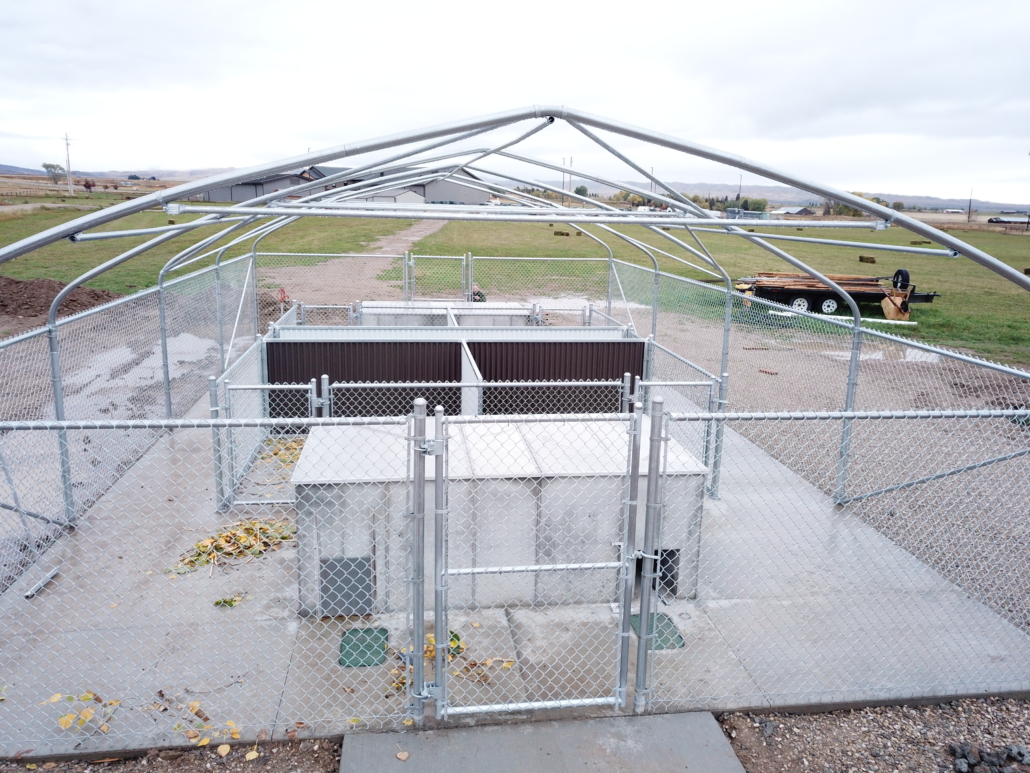
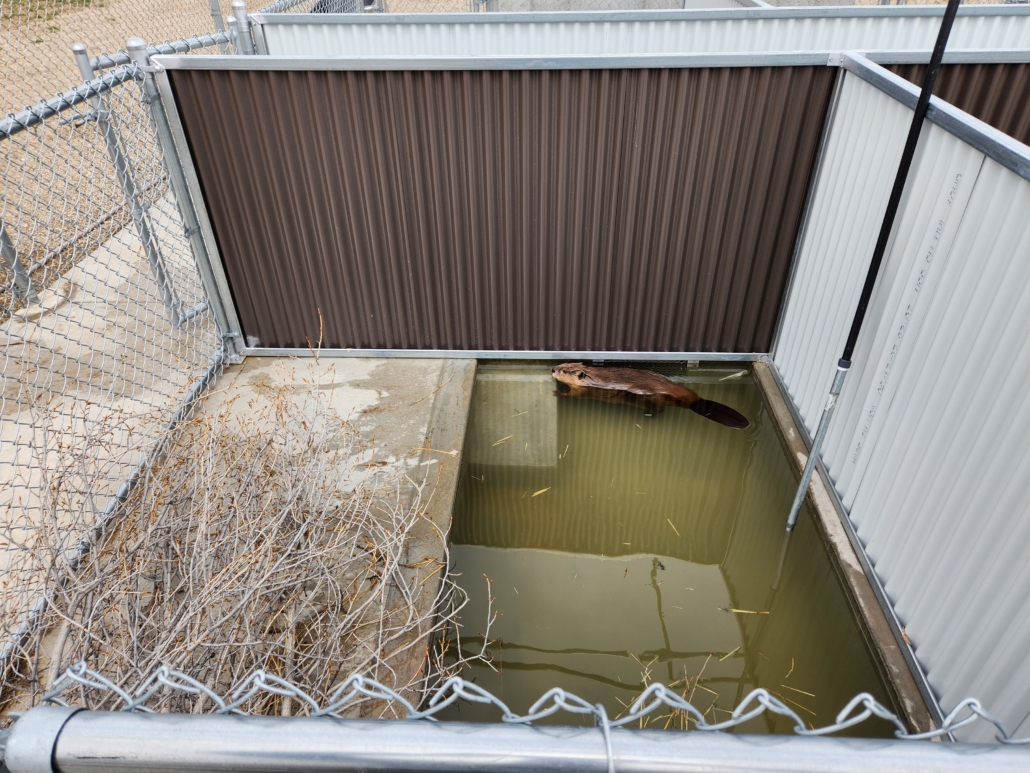
Recognizing the connection between beavers and moose habitat, The Moose Fund supported a project to construct a beaver holding facility at the Cody Regional Office of the Wyoming Game and Fish Department in 2023. This facility, completed in late fall of 2023, enables the temporary housing of beavers awaiting translocation, ensuring their well-being and facilitating the restoration of riparian habitats critical for moose survival. Previously, the Cody Regional Office was using a mobile trailer that could only house one beaver family unit at a time, making trapping season slow. The new permanent facility has space for up to four families, allowing for more beavers to be translocated at a time and therefore leading to the creation of more wetland habitats. “This is a very cheap investment for the value of wetland we’re getting out of it,” said Jerry Altermatt, a terrestrial habitat biologist with the Wyoming Game & Fish Department. By relocating beavers to suitable habitats, these efforts not only restore ecosystem functions, but also create essential cooling spots for moose.

The new beaver holding facility at the Cody Regional Office of the Wyoming Game & Fish Department. Photo courtesy of Jerry Altermatt.

Photo courtesy of Jerry Altermatt.

Photo courtesy of Jerry Altermatt.

As a warming, drying climate continues to pose challenges to wildlife, proactive conservation efforts like those supported by The Moose Fund become increasingly important. By investing in projects that address the root causes of habitat degradation and support keystone species like beavers, we can ensure a brighter future for moose and the ecosystems they inhabit.

The Moose Fund stands as a beacon of hope for struggling moose populations in Wyoming and beyond. Through the support of dedicated individuals like Mary Rumsey and collaborative efforts with organizations like the Wyoming Game and Fish Department, we can make a meaningful difference in preserving these iconic creatures and the habitats they rely on. As we continue to champion conservation initiatives, let us remember that by helping beavers, we are also helping moose and the rich tapestry of life that thrives in our wilderness.

If you are interested in making a restricted donation to The Moose Fund, please reach out to The WYldlife Fund at chris@thewyldlifefund.org or 307-316-3863.

THE WYLDLIFE FUND
PO Box 890
Buffalo, WY 82834

The WYldlife Fund is a non-profit 501(c)3.
EIN: 83-2290091

© Copyright The WYldlife Fund

THE WYLDLIFE FUND
PO Box 890, Buffalo, WY 82834

The WYldlife Fund is a non-profit 501(c)3.
EIN: 83-2290091

© Copyright The WYldlife Fund
PRIVACY POLICY | TAX DOCUMENTS