Responsible Winter Wildlife Viewing
Tips and Techniques for Responsible Winter Wildlife Viewing
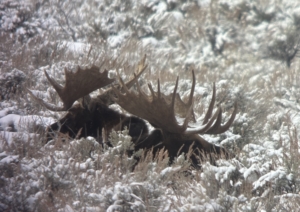
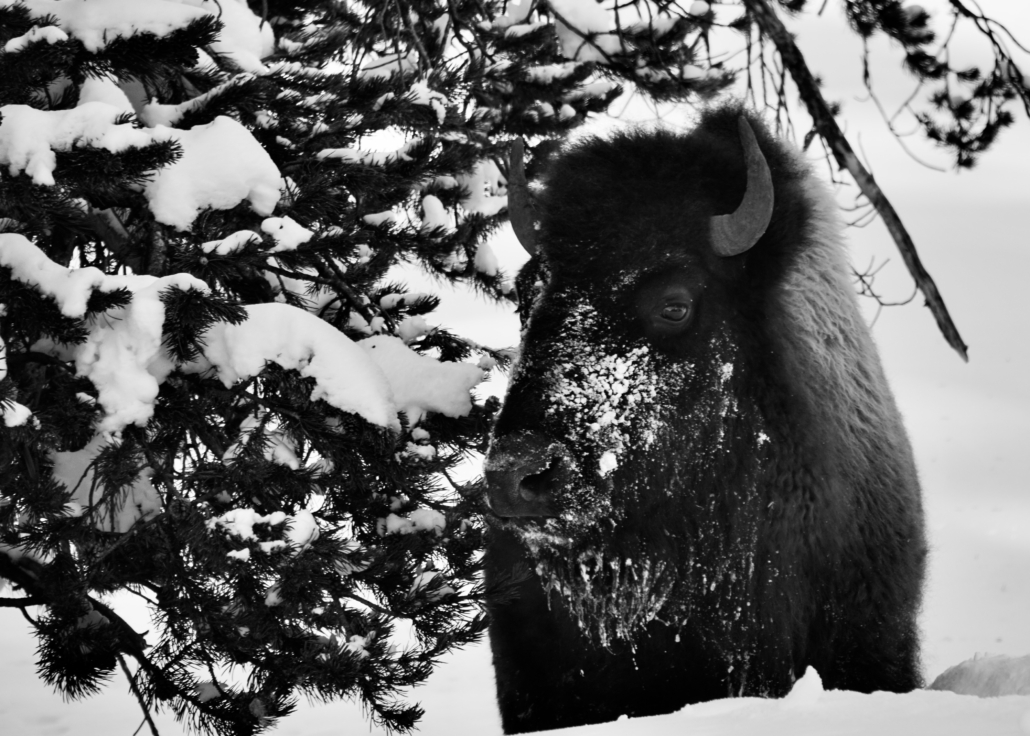
Winter presents a unique challenge for all of us, with its short days and biting cold temperatures posing a seasonal obstacle unlike any other. While we can rely on store-bought adaptations to help us through, our wildlife coinhabitants in Wyoming aren’t so fortunate. Day after day, animals of all shapes and sizes endure the harsh realities of our tough winters. These same challenging months also offer incredible opportunities to witness the resiliency of wildlife— animals that survive, and in some cases thrive, amidst the deep snow, frigid temperatures, and howling winds of winter in Wyoming. If you venture into the field this season, keep these tips and techniques in mind to observe wildlife responsibly and ensure that your experience benefits both you and the animals you encounter.
Give them space
Responsible wildlife viewing is about respecting animals’ space and allowing them to act naturally, as they would if you weren’t there. If an animal alters its behavior in your presence, you’re likely too close. To minimize disturbance, it’s generally advised to maintain a distance of at least 25 yards from prey species and 100 yards from predators. During winter, these distances should be increased even further to account for the added strain of cold and snow. Stressed animals may be forced to flee, expending valuable energy during the most challenging time of year.

Drive slower than usual
Driving responsibly through Wyoming’s wildlife corridors is crucial year-round, but it’s especially important during the winter months. Wildlife-vehicle collisions tend to increase in winter, partly because animals move closer to roadways where the deep snow is more easily navigable. As you hit the road in search of wildlife, consider easing off the gas to both improve your chances of spotting animals and reduce the risk of collisions.
Leave pets at home
Winter adventures are a great way to shake off cabin fever, but when it comes to wildlife viewing, it’s best to leave your pets at home. Wild animals already face enough challenges, and the presence of a dog—who might be perceived as a predator—can cause unnecessary stress and disrupt their natural behavior. For a more peaceful experience for both you and the wildlife, it’s important to approach these outings with respect, giving the animals the space and calm they need.
Resist the urge to feed
Winter can be especially tough on Wyoming’s wildlife, but feeding them, though well-intentioned, often does more harm than good. Feeding wildlife can promote disease transmission and increase conflicts with people, pets, and vehicles by habituating them to the human environment. If you live on a farm or ranch, it’s essential to securely store hay—especially alfalfa—in places where wildlife can’t access it. Some game animals struggle to properly metabolize this type of feed, and consuming it can lead to fatal consequences.
Follow all regulations
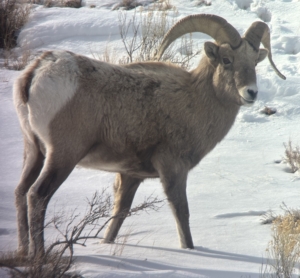
Before visiting a designated wildlife viewing area or a state or national park with known wildlife inhabitants, take the time to do your research and familiarize yourself with the specific rules and regulations of the area. These guidelines are set by wildlife professionals and designed to protect both your safety and the well-being of the wildlife. By following these regulations, you help ensure a safe, respectful, and sustainable experience for everyone involved, preserving the natural balance for future generations.
While winter can be long and cold, it doesn’t have to feel dreary. This season, take the opportunity to witness Wyoming’s cherished wildlife in its most resilient form, surviving the harsh conditions in ways only they know how. Wildlife is deeply woven into our culture and heritage here in Wyoming, and experiencing these animals during the toughest time of year offers a truly unique and meaningful connection. As you observe them, remember to appreciate what you have—a heated car, a warm winter coat—and honor the strength and adaptability of the creatures that call this rugged landscape home.